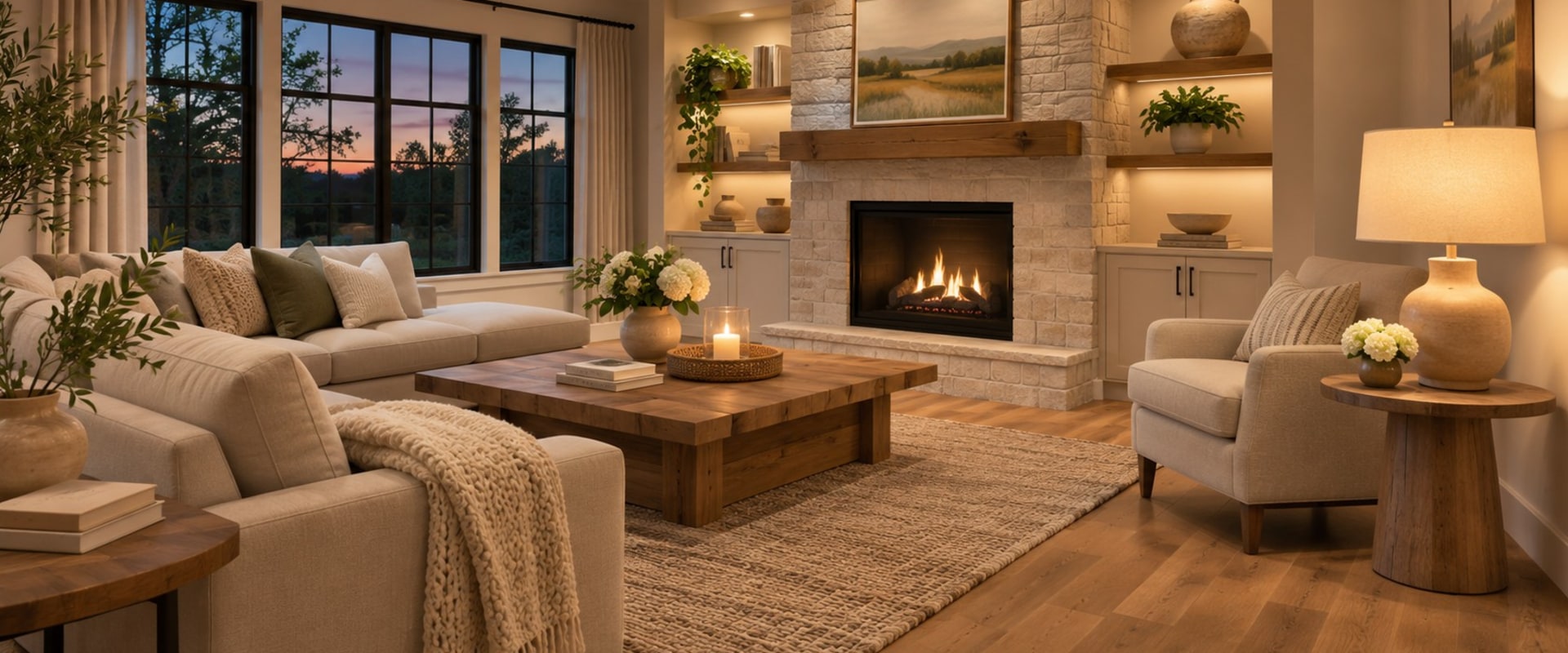
A lighting selection can look simple until the finished room feels too stark, too dim or different from the showroom. For a custom home or renovation, record brightness and light color separately. Then test the preferred combination with the room’s finishes before ordering every fitting.
Read the quantities correctly
The government Energy Rating guide to choosing lamps explains that lumens describe light output while watts describe electrical power use. Color temperature, expressed in kelvin, describes the light’s appearance: lower values look warmer and higher values cooler. The guide also cautions that not every LED lamp works with every dimming system.
When discussing options, use the product’s actual specifications rather than a description such as “bright white” alone. Ask the supplier to identify the brightness, color temperature and controls for the exact model being considered.
Start with what happens in the room
Mark the places where people will read, prepare food, work or relax on the furniture plan. Tell your designer which activities happen in the evening and which areas need separate control. A reading chair and a television area may call for different lighting arrangements even when they share one room.
Ask for a demonstration of the proposed lighting rather than choosing purely from a photograph. Where possible, look at the sample from both seated and standing positions and discuss any uncomfortable glare with the designer.
Check the light beside the finishes
Bring paint, fabric, countertop or flooring samples to the lighting review. Our guide to interior finishes for a custom home provides context for coordinating those choices. Keep a note of the lighting model used when you approve a finish combination, so the same conditions can be considered if a product is substituted.
For open-plan areas, review adjacent spaces together. Ask whether the selected lights create the intended transition from kitchen tasks to dining and relaxation.
Confirm the controls before ordering
Have the electrician or lighting supplier confirm compatibility between the selected lamps, fittings and dimmers. Record model numbers and any restrictions in the lighting schedule. At handover, request a demonstration of normal switching, dimming and any programmed settings. Save the product details so future replacements can match the original choice without repeating the entire selection process.


